
Start from sleep
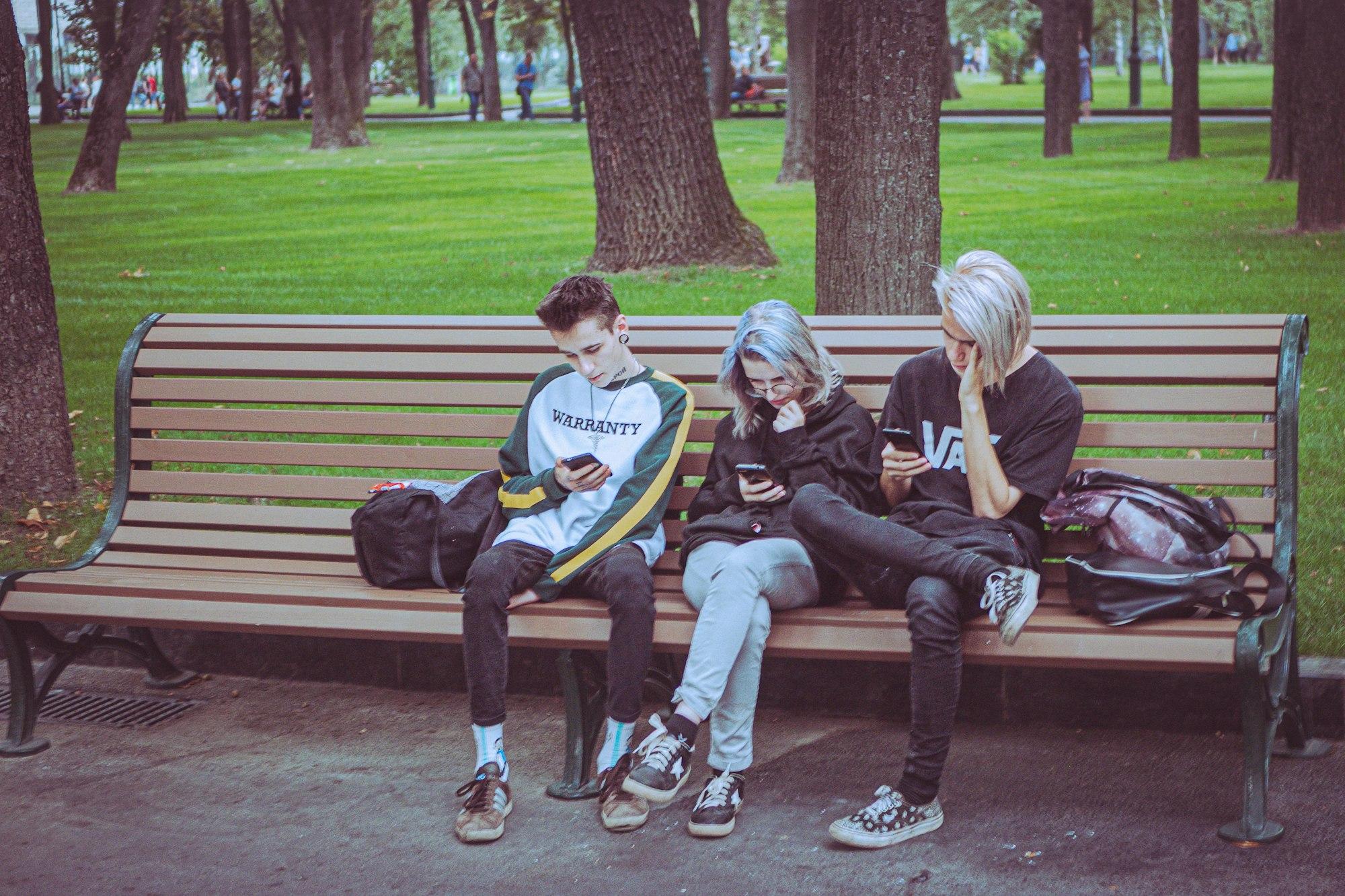
The debate about screen time is loud and the evidence on total hours is mixed. The advice on sleep is much clearer. The American Academy of Pediatrics suggests avoiding screens in the hour before bed, because using them late can leave children more alert and delay sleep.
That gives a school something concrete to say. "Screens off an hour before bed, and charged outside the bedroom" is advice a family can act on tonight. A daily limit in hours is harder to keep and harder to check.
What to put in the newsletter
Keep it to one idea a term, with one practical step.
- Term one: phones and tablets charge overnight outside bedrooms.
- Term two: an hour without screens before bed, with a reading book instead.
- Term three: homework done before games, not after.
One idea, repeated by every class teacher, does more than a page of rules sent once.
Advice framed around bedtime is easier for families to keep than a limit in hours.
What to leave out
Avoid claims the evidence does not support, and avoid making families feel judged.
- Do not promise that "night mode" or blue-light filters solve the problem. The advice is about the hour before bed, not the colour of the screen.
- Do not set a single number of hours for every age. Families with older children will ignore it.
- Do not single out games or social media by name. Parents switch off when their own habits are criticised.
When a teacher notices something
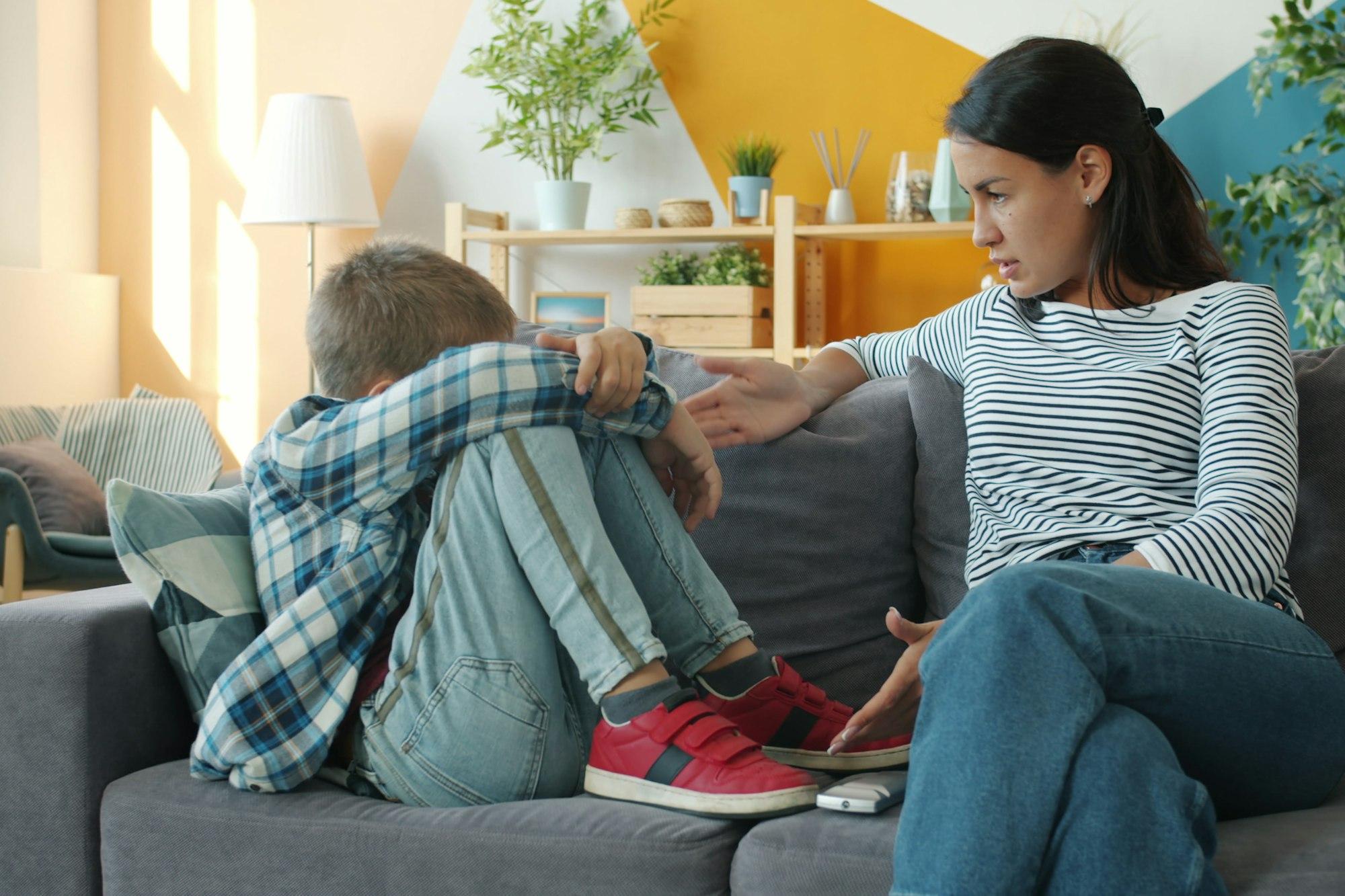
Sometimes the signs show up in class first: a child who is tired every morning, or homework that arrives at midnight. Start with what you have seen, not with screens. "Rohan has been very tired in first lessons this month" opens a conversation. "Rohan is on his phone too much" closes one.
Model it at school
Families notice what a school does, not just what it sends home. If homework is set late in the evening or the class group chat is busy at ten at night, the newsletter loses its weight. Agree times when the school itself goes quiet.